

D-31, 2nd floor, Sector 7, Noida-201301, Uttar Pradesh, India

The Art of Layered Lighting in Interior Design

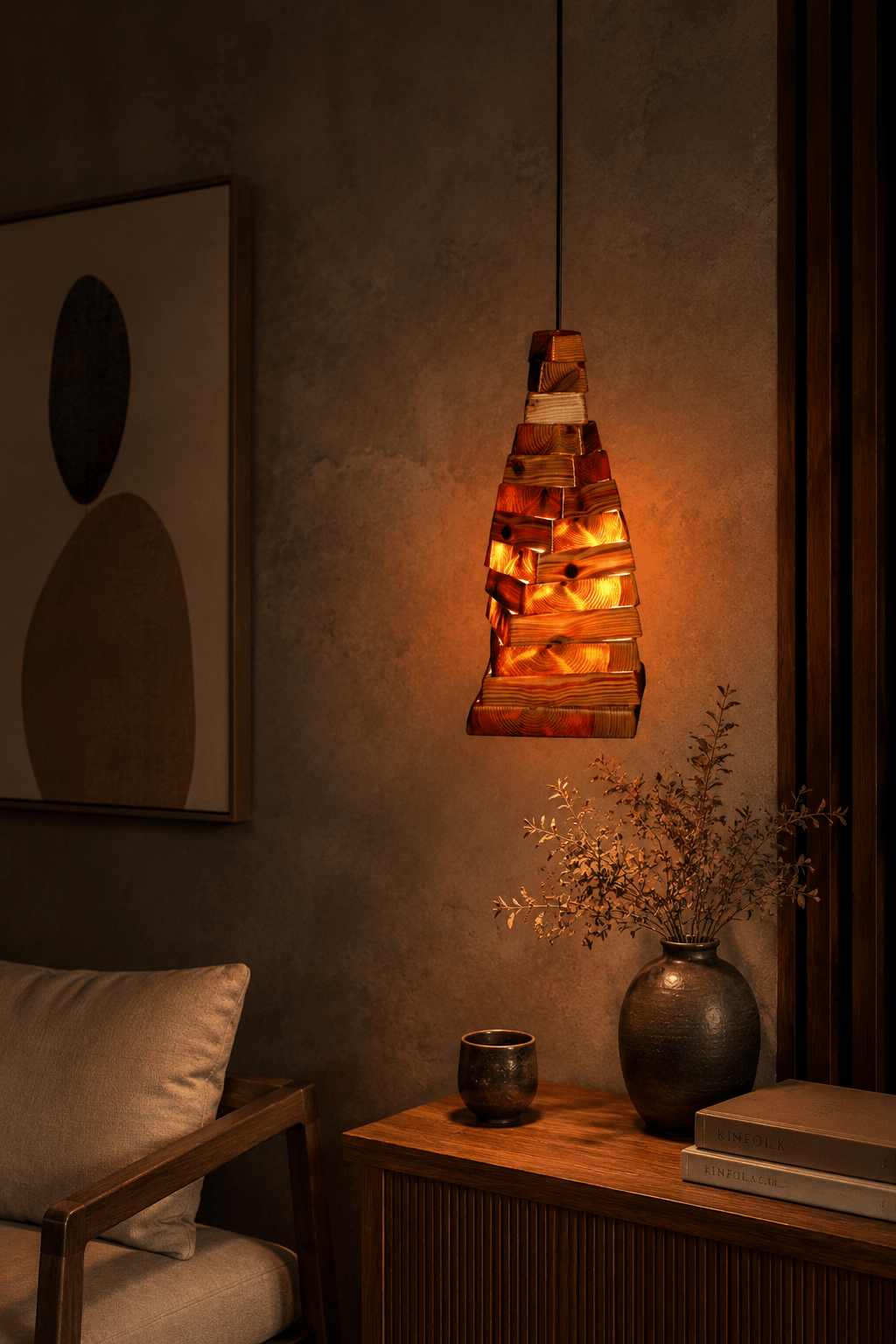
Lighting is one of the most powerful elements in interior design. While furniture, colors, and décor define a space, it is lighting that brings everything to life. A well-designed room rarely relies on a single light source. Instead, it uses layered lighting—a combination of different light sources that work together to create depth, comfort, and visual interest.
What Is Layered Lighting?
Layered lighting is the practice of combining multiple types of lighting to achieve both functionality and atmosphere. Rather than depending on one overhead fixture, designers use a mix of ambient, task, and accent lighting to create a balanced environment.
This approach allows a room to adapt to different activities while enhancing its overall aesthetic appeal.
The Three Essential Layers of Lighting:
1. Ambient Lighting
Ambient lighting serves as the foundation of a room’s illumination. It provides overall brightness and ensures the space feels welcoming and functional.
Common sources include:
- Ceiling fixtures
- Pendant lights
- Chandeliers
- Recessed lighting
A warm ambient glow creates a comfortable backdrop for everyday living.
2. Task Lighting
Task lighting focuses on specific activities that require additional illumination.
Examples include:
- Wooden table lamps beside reading chairs
- Desk lamps in home offices
- Under-cabinet lighting in kitchens
- Bedside lamps for nighttime reading
Task lighting combines practicality with style, making daily routines more comfortable.
3. Accent Lighting
Accent lighting highlights architectural features, artwork, textures, or decorative objects. It adds dimension and sophistication to a space.
Popular choices include:
- Wall sconces
- Picture lights
- Decorative wooden wall lamps
- Shelf lighting
Accent lighting creates visual drama and draws attention to focal points within the room.
Why Layered Lighting Matters
Creates Depth and Dimension
A single light source can make a room feel flat. Multiple layers introduce shadows, highlights, and contrast, giving the space a richer and more dynamic appearance.
Enhances Comfort
Different activities require different lighting levels. Layered lighting allows you to adjust brightness throughout the day, creating a comfortable environment for work, relaxation, and entertainment.
Highlights Design Features
Beautiful wood textures, artwork, and carefully selected décor pieces deserve attention. Accent lighting helps showcase these details and elevates the overall design.
Adds Warmth and Character
Handcrafted wooden lamps contribute both light and artistry. Their natural materials soften modern interiors while introducing warmth and authenticity.
Incorporating Wooden Lighting Into Layered Designs
Wooden lighting fixtures are especially effective because they combine functionality with craftsmanship. A handcrafted wooden table lamp can provide task lighting while serving as a decorative statement piece. Wooden wall lamps create beautiful shadow patterns, adding visual depth and warmth.
Natural wood tones also complement a wide range of interior styles, from Scandinavian and Minimalist to Contemporary and Rustic Luxury.
Tips for Achieving Perfect Layered Lighting
- Use warm white bulbs (2700K–3000K) for a cozy atmosphere.
- Combine at least three light sources in larger rooms.
- Position table lamps at different heights to create visual interest.
- Add dimmers whenever possible for greater flexibility.
- Balance decorative fixtures with practical lighting needs.
Final Thoughts
Great interior design is not just about what you see—it’s about how a space makes you feel. Layered lighting transforms ordinary rooms into inviting, sophisticated environments by combining functionality, warmth, and visual depth.
By thoughtfully blending ambient, task, and accent lighting, and incorporating handcrafted wooden lamps, you can create interiors that feel elegant, comfortable, and beautifully illuminated at every moment of the day.