
Wooden Pendant Lights for Modern Interiors: A Complete Guide
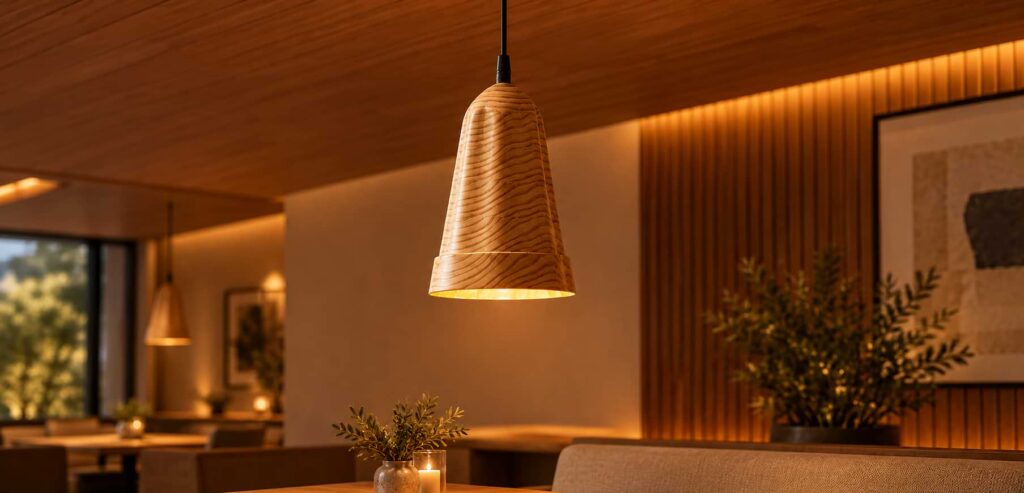
A well-designed interior is not defined by furniture alone. The right lighting can change the mood, define a space and bring the entire design together of space. Many decorative lighting options available today, wooden pendant lights have become a distinctive choice for modern interiors. They combine the warmth of natural wood with the visual impact of sculptural lighting, creating a feature that you can remain beautiful even when the light is switched off. For new homeowners, architects and interior designers, It’s not just about the decorations. A thoughtfully selected wooden pendant light can add warmth to minimalist spaces, create a focal point above a dining table, soften contemporary materials and introduce a handcrafted element into a modern interior. In this guide, we explore how to choose and use wooden pendant lights, where they work best, and what makes handcrafted wooden lighting different from conventional fixtures. What Are Wooden Pendant Lights? Wooden pendant lights are suspended lighting fixtures that incorporate natural or engineered from wood into their shade, frame or structure. Unlike conventional metal or glass pendant lights, wooden lighting introduces natural texture, grain and warmth into the space. Depending on the design, a wooden pendant can provide ambient illumination, focused light or function primarily as a decorative statement piece. Modern wooden pendant lights can range from minimal geometric forms to sculptural handcrafted designs. The material itself also becomes part of the visual experience. Natural wood grain, subtle variations in colour and handcrafted detailing mean that each fixture can have its own character. Why Are Wooden Pendant Lights Becoming Popular in Modern Interiors? Modern interiors often use clean architectural lines, neutral colours, stone, glass, metal and other refined materials. While these materials create a sophisticated appearance, too many hard surfaces can sometimes make an interior feel visually cold. Wood introduces an organic counterpoint. A wooden hanging light can soften a contemporary space while maintaining a clean and sophisticated design language. It can also work as a visual bridge between furniture, flooring and architectural elements. This is one reason wooden lighting works particularly well with: The result is lighting that feels decorative without appearing disconnected from the architecture. 7 Ways Wooden Pendant Lights Can Transform an Interior 1. Create a Strong Focal Point A statement pendant light naturally draws attention upward. A sculptural wooden pendant can become the visual centre of the space without requiring additional decoration. This works especially well above: 2. Add Warmth to Minimalist Interiors Minimalism does not have to mean sterile. A Natural wood can introduce warmth and texture while preserving the clean visual language of a modern room. For example, a wooden pendant can work beautifully with: The contrast between natural wood and contemporary materials creates visual depth. 3. Make the Dining Area Feel More Intimate The dining table is one of the most natural locations for pendant lighting. A pendant positioned above the table visually defines the dining area, particularly in an open-plan home. A warm wooden pendant can create a softer atmosphere around the table while making the dining area feel more intentional. When selecting a wooden pendant light for a dining room, consider the table’s shape, size and surrounding architecture before deciding on the fixture. For a long rectangular table, a linear or clustered arrangement can work well. As a starting point, hang the lowest part of the pendant about 75– 90 cm above the tabletop. 4. Bring Nature Into Contemporary Spaces Natural materials have a unique ability to make interiors feel connected to the environment. Wooden lighting brings that quality overhead, where it can become part of the architecture rather than simply another decorative object. Natural grain, growth rings, knots and subtle variations give wooden fixtures a character that manufactured uniform surfaces cannot reproduce exactly. This makes handcrafted wooden lighting particularly appealing for people who want interiors to feel personal rather than mass-produced. 5. Turn Lighting Into Functional Art Lighting does not always have to disappear into the background. A sculptural pendant can serve two purposes simultaneously: It illuminates the space. It contributes to the visual identity of the space. This is where statement lighting becomes particularly powerful. A carefully designed wooden fixture can function as an architectural feature during the day and become an illuminated artwork in the evening. For luxury interiors, this can be more effective than filling the room with numerous decorative objects. 6. Add Texture Without Adding Clutter One advantage of wooden lighting is that it can introduce visual texture without taking up floor or wall space. A ceiling-mounted or suspended fixture adds another layer to the room while keeping the furniture arrangement clean. This is particularly useful in minimalist interiors where every visible element needs to have a purpose. 7. Make the Room Feel More Personal Mass-produced lighting often looks identical from one space to another. Handcrafted wooden lighting offers a different experience. Natural material variations and artisan finishing can make every piece subtly different. Instead of simply purchasing a light fitting, homeowners and designers can introduce an object with its own material character and story. How to Choose the Right Wooden Pendant Light Choosing the right fixture involves more than selecting a design you like. Consider these five factors before making a decision. 1. Consider the Size of the Room The size of the pendant should relate to the room and the furniture beneath it. A small pendant can disappear in a large room, while an oversized fixture can dominate a compact space. For a dining area, consider the dimensions of the table first. As a general guide, a pendant above a tableshould be roughly half to two-thirds of the table’s width, so it feels proportionate without crowding theseating. For a living room, consider the seating arrangement, ceiling height and viewing distance. The objective is balance rather than simply choosing the largest or smallest fixture. 2. Consider Ceiling Height Ceiling height has a significant influence on pendant selection. Higher ceilings can accommodate larger sculptural fixtures or longer drops, while lower ceilings generally require a more compact